Resources for Indigenous Families

Check out these resources that support Indigenous families in Manitoba, including parenting supports, community programs, and services rooted in Indigenous knowledge and culture. You can also connect with local community supports to learn more about the programs and services available in your area.

Manitoba First Nations and Métis Parenting Booklets
These booklets are rooted in Indigenous knowledge and ways of parenting. This series is based on booklets created in 2013 by the NCCIH and the First Nations Health Authority in BC, with help from people in Manitoba to adapt them for local families.
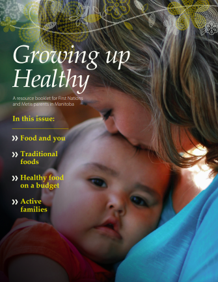
Growing Up Healthy
This booklet describes ways to help your child grow up healthy, including eating good food, being active, and taking care of their body from pregnancy to early childhood. It brings together helpful tips and Indigenous teachings, stories, and traditions to support you and your family in living a healthy life together.
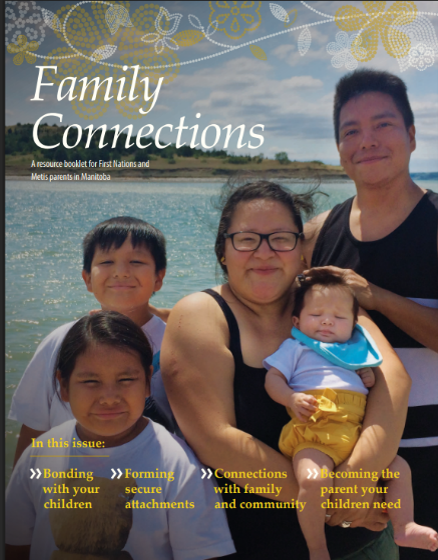
Family Connections
This booklet shares ways to build strong, loving relationships with your children by helping them feel safe, cared for, and connected to you. It also includes Indigenous teachings, stories, and ideas to help you grow close as a family and stay connected to your community.
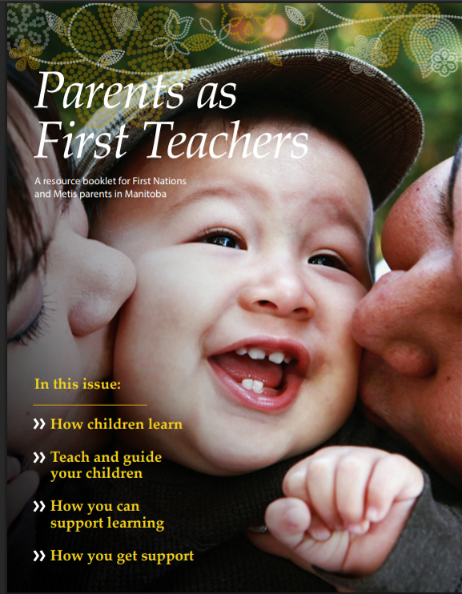
Parents as First Teachers
This booklet is about how you are your child’s first and most important teacher, and how you can support their learning and development from an early age. It includes simple tips, along with Indigenous stories and teachings, to help you guide your child’s learning and connect them to their culture and community.

Fatherhood is Forever
This booklet expresses how fathers and father figures can play an important role in their children’s lives by being caring, involved, and supportive. It includes simple advice, along with Indigenous stories and teachings, to help you build strong relationships with your children and grow as a parent.
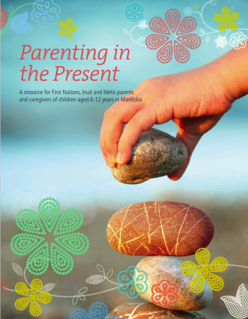
 Parenting in the Present
This booklet shares stories, cultural practices, and knowledge about parenting and caring for First Nations, Inuit and Metis children aged 6-12 years.

First Nations Health and Social Secretariat of Manitoba – Strengthening Families Maternal Child Health Program
The program is lead and driven by a First Nation framework developed by community members, elders, youth, families, community leadership and MCH staff. Creating positive impacts that extend through generations is imperative to Strengthening Families. The program is designed to support and nurture the over all well being of children and families, through strength-based relationships that utilize current evidence-based resources and traditional practices grounded in community knowledge.

Manitoba Métis Federation Early Learning & Child Care
Information about MMF early learning and childcare community outreach, programs, and centres

Tunngasugit Inc.
This is an organization that supports urban Inuit in many ways. Assistance includes: help obtaining identification and/or health cards; access to database of community connections and resources; food security programs; assistance with Child and Family Services; advocacy; supervised visits; community socialization (events and activities).

Ma Mawi Wi Chi Itata Centre – Supporting & Rebuilding Indigenous Families
This is a community-based family resource organization that supports Indigenous caregivers. It focuses on strengths and values, helping caregivers reclaim their roles and responsibilities as a child’s first and most important teachers.

Ka Ni Kanichihk – Those Who Lead
Supports children, youth and families through culturally based childcare, life skills training, and education-focused initiatives.  Programs foster pride, belonging and responsibility, helping families reconnect to their roots and create safe, nurturing homes. 

InSight Mentoring Program – Aboriginal Health & Wellness
InSight Mentoring Program is a three-year outreach program where Mentors provide intensive support to Winnipeg Indigenous women who are pregnant and/or have had a baby within the last 12 months.

Headstart – Aboriginal Health & Wellness
The Head Start Program provides services to First Nations, Métis, and Inuit children three to five years of age and their families who live in and around the Winnipeg core area.

For more information on programs and resources for you and your family, check out Community Public Health Resources for Families – Parenting in Manitoba

Know of a great resource that’s not featured here? We’d love to hear from you—let us know!
Resources For Newcomer Families

Check out these resources to help support you and your family as you settle into life in Manitoba, including settlement services, parenting supports, daily life, and community connections.

https://immigratemanitoba.com/settle/services/Immigrate Manitoba – Settlement Services
This is the Government of Manitoba’s list of settlement services available to newcomers. 

Immigration, Refugees and Citizenship Canada – Settling in Canada
This is a Government of Canada website that provides information on settling in Canada.

MANSO – Family and Parenting Archives
The Manitoba Association of Newcomer Serving Organizations (MANSO) has several resources for newcomer families, including:

  • Newcomer Parent Guides
    Guides to help newcomer families understand how schools work in Manitoba. The guides explain what to expect from Kindergarten to Grade 12 and how to register for school. They also include checklists and questions to help families talk with teachers and school staff.
  • Recreation Resources
    MANSO created a guide to help newcomer children and youth find recreation programs in Winnipeg. It helps families and service providers find activities close to where they live.

Immigrant Centre Manitoba
The Immigrant Centre offers services like help with settling in, finding work, and checking translations. Newcomers can also join English conversation groups, take classes, and get one-on-one language support. The Centre also offers volunteer opportunities to help people connect with their community.

Mosaic Newcomer Family Resource Network
Mosaic is a community organization that helps newcomer families. It offers English classes with childcare, along with support for parenting and settling into life in Canada. Parents can build their language skills and meet others, while children play and learn in a safe place. Mosaic also runs family programs across Winnipeg and adapts them for different language needs. The programs support parents as their child’s first teacher and value the knowledge families bring from their own cultures.

IRCOM Inc.
IRCOM helps newcomers settle into life in Winnipeg by providing safe housing and support services in one place. Over time, it has grown to offer more programs and supports for families and the community. IRCOM has two locations and works with the people around them, including Indigenous communities. Its programs help newcomers feel connected and supported in their new home.

Manitoba Possible – Newcomer Navigation and Support Unit – Disability & Deaf Services
Manitoba Possible is an organization that supports people with disabilities. Manitoba Possible helps newcomers understand health care, social services, and disability supports. Staff offer help in many languages to connect families with the services they need. The organization also offers language programs for Deaf and hard of hearing newcomers in small groups. Support is available in many different languages.

Manitoba Start
Manitoba Start helps newcomers take their first steps in Winnipeg. In one place, people can get help with settling in, learning English, and finding work. It also connects newcomers with employers and job opportunities.

N.E.E.D.S. Inc.
Newcomers Employment & Education Development Services (N.E.E.D.S. Inc.) helps newcomer children, youth, and families settle into life in Canada. It offers programs for learning, jobs, and recreation, along with support for me

For more information on programs and resources for you and your family, check out Community Public Health Resources for Families – Parenting in Manitoba

Know of a great resource that’s not featured here? We’d love to hear from you—let us know!

Sexually Transmitted and Blood-Borne Infections: What Parents Need to Know

Sexually transmitted and blood-borne infections (STBBIs) like the human immunodeficiency virus (HIV) can affect both you and your baby. However, many STBBIs can be prevented, tested for and treated. If you are planning a pregnancy, are pregnant or have given birth, learning about STBBIs can help keep you and your baby healthy.

Taking care of your sexual health is important before, during and after pregnancy. Some sexually transmitted and blood-borne infections (STBBIs), like the human immunodeficiency virus (HIV), can be passed from a parent to their baby during pregnancy, birth or while breastfeeding/chestfeeding.

STBBIs can be spread through sexual contact without a condom. Some STBBIs can also be spread through contact with infected blood, like sharing needles or other drug-use equipment.

However, many STBBIs can be prevented, tested for and treated.

During Pregnancy

Testing for STBBIs is a normal part of prenatal care. Testing usually involves a blood test and a urine sample. 

Getting tested early helps make sure you can get the care you need and can lower the chance of passing an infection to your baby during pregnancy or birth.

Did you know?

In Manitoba, everyone who is pregnant should get tested for HIV and other STBBIs at least three times during pregnancy. 

HIV

If HIV is diagnosed during pregnancy, treatment can begin right away. HIV medicines work very well. They can lower the amount of virus in the body to very low levels. This makes it much less likely to pass HIV to a baby.

If you are living with HIV and are pregnant or planning a pregnancy, talk to your health-care provider as early as possible. They can help you manage your HIV and support a healthy pregnancy.

Hepatitis B

Most pregnant people with hepatitis B do not need treatment. Their babies can be protected by getting hepatitis B antibody and vaccination shortly after birth.

Hepatitis C

Hepatitis C can be passed to your baby during pregnancy or birth, but the chance of this happening is low. Treatment isn’t usually started until after pregnancy and breastfeeding/chestfeeding are finished. During this time, your health-care team can support you and monitor both you and your baby.

Syphilis, Gonorrhea and Chlamydia

These bacterial infections can be treated with antibiotics during pregnancy.

After Your Baby is Born

Taking care of your sexual health remains important after pregnancy. Even if you did not have a STBBI during pregnancy, you can still get one later. If you are sexually active, regular HIV and STBBI testing can help protect both you and your baby.

Talk to your health-care provider about STBBI testing if:

  • You or your partner have new, multiple, or anonymous sexual partners.
  • You think you have been exposed to an STBBI.
  • You or your partner inject drugs or share drug-use equipment.
  • You have symptoms such as sores, unusual discharge, pain, fever or a rash.

For some people, testing every three to six months may be recommended.

HIV and Breastfeeding/Chestfeeding

HIV can be passed to a baby through breastmilk/chestmilk. For this reason, people living with HIV in Canada are recommended to use formula to feed their baby. This removes the risk of passing HIV through feeding.

If you are living with HIV and are pregnant or planning a pregnancy, talk to your health-care provider early. They can help you choose the feeding option that is best for you and your baby

How to Lower Your Risk

There are many ways to protect yourself and your baby from STBBIs:

  • If you are planning a pregnancy, talk to your health-care provider about any steps you can take to support a healthy pregnancy.
  • Go to all your prenatal and postpartum appointments.
  • Get tested for STBBIs when recommended by your health-care provider.
  • Talk openly with your health-care provider about any sexual health or substance use concerns.
  • Use condoms when having sex.
  • Encourage your partner(s) to get tested and treated if needed.
  • If you use substances, use sterile needles and smoking equipment every time. Do not share equipment with others.
  • Get medical care right away if you think you have been exposed to an STBBI.

Did you know?

There are medications that can help lower the chances of getting HIV. This medication is called PrEP (pre-exposure prophylaxis). If you do not have HIV but may be at higher risk of getting it, PrEP may be an option for you. Talk to your health-care provider to learn more.

When to Talk to a Health-Care Provider

Talk to your health-care provider if:

  • You think you were exposed to an STBBI.
  • Your partner has an STBBI.
  • You have symptoms like sores, unusual discharge, fever or other signs of infection.
  • You are pregnant or breastfeeding/chestfeeding and you want STBBI testing or have questions about an infection you may have.
  • You would like information or support about your substance use. This could include using substances more safely, using less or stopping.

For more information on finding a health-care provider, check out https://parentinginmanitoba.ca/finding-a-health-care-provider.

Resources

Protect Your Baby from Respiratory Syncytial Virus (RSV) with Immunization 

Every fall and winter, RSV makes people sick. Most of the time, the illness is mild. But it can be more serious for babies and young children. Nirsevimab is a free immunization for all babies born between October 1, 2025, and March 31, 2026. It will be available in the fall of 2025, and your baby should receive it before they are discharged from the hospital, birth centre or home birth. If your baby doesn’t receive Nirsevimab before discharge, ask your local healthcare provider about how to get it.   

What is RSV? 

RSV is a common virus that spreads easily through coughs and sneezes, touching things such as toys or doorknobs, or kissing someone who has the virus. Most kids will get RSV by the time they turn two. 

RSV is usually mild, however babies under six months old may get really sick and need to be hospitalized.  

For more information on RSV, check out:  

What is Nirsevimab? 

Nirsevimab (Beyfortus™) is an antibody product that provides immunity right away to protect your baby against RSV. One dose, given by a needle, helps protect your baby for five to six months. It has been shown to lower the chances of serious illness and hospital visits by up to 90 per cent.

Tips for soothing your baby during immunizations: 

  •  Breastfeed/chestfeed or bottle feed your baby while they are being immunized. 
  • Hold your baby skin to skin and sing or talk to them while being immunized. 

When should my baby get Nirsevimab? 

It is best for your baby to get Nirsevimab soon after they are born so they are protected against RSV right away. A healthcare provider will offer to give Nirsevimab to your baby before they are discharged from the hospital/birth centre. If your baby doesn’t receive Nirsevimab before discharge, be sure to ask your local healthcare provider (midwife, nursing station, health centre) about how to get it.   

Who can get Nirsevimab? 

Starting in fall 2025, all babies born between October 1, 2025, and March 31, 2026 in Manitoba can get one dose of Nirsevimab. For up-to-date eligibility criteria for Nirsevimab, visit: Vaccine Eligibility | Health | Province of Manitoba 

Who should NOT get Nirsevimab? 

Talk to a healthcare provider if your child: 

  • Had a strong allergic reaction to a previous dose of, or to any ingredient in, Nirsevimab 
  • Is very sick , wait until they feel better. 

Note: A mild illness, like a runny nose or slight cough, does not mean your child should skip getting a dose. 

Are there side effects? 

Nirsevimab is approved by Health Canada and is considered safe. Side effects are uncommon.  Like with any immunization, mild side effects can include: 

  • A little soreness, redness or swelling where the shot was given 
  • Fussiness 

Did you know? 

Aspirin® (ASA) should not be given to children, as it can cause a rare but serious illness called Reye’s Syndrome. Talk to your healthcare provider about the use of Acetaminophen (Tylenol®, Tempra®) or ibuprofen (Advil®, Motrin®)

There have been no reports of serious allergic reactions with Nirsevimab. Severe reactions are extremely rare but could happen. Watch for signs of an allergic reaction, such as: 

  • Hives (raised, itchy bumps on the skin) 
  • Trouble breathing 
  • Swelling of the face or throat 

Does my baby need Nirsevimab if I got the RSV vaccine in pregnancy? 

  • If you have received an RSV vaccine while pregnant, ask your health care provider if your baby still needs Nirsevimab. 
  • There are no known safety concerns with giving Nirsevimab to your baby if you received the RSV vaccine during pregnancy.  
  • Using both is not routinely recommended however, it may be considered if your baby is at high risk or born less than 14 days after the birthing parent received the RSV vaccine. 

Learn More 

If you have questions about RSV or Nirsevimab, talk to your local healthcare provider or contact: 

Health Links–Info Santé 
Winnipeg: 204-788-8200
Toll-free: 1-888-315-9257
www.gov.mb.ca/health/publichealth/cdc/div/index.html 

Safer Sleep Practices and Traditions 

Your baby will spend a lot of time sleeping. It is important to create a safe space for every sleep. Check out this video on safe sleep from The First Nations Health and Social Secretariat of Manitoba to learn more.

For more information on safe sleep practices, including safe sleep environments for every sleep, take a look at our article on Safe Sleeping for Your Baby. 

The safest place for a baby to sleep is in a crib, cradle or bassinet. Parents may also choose to use cradleboards and moss bags. Ask a Knowledge Keeper about safe use of cradleboards and moss bags.  

on the left, an infant inside of a colourful cradleboard. On the right, an infant inside a red and white moss bag. Both images have green check marks in the top left corner

Resources

What is Measles? 

Measles is a respiratory infection caused by a virus that can make you very sick and spreads easily. Measles is mainly spread through the air. You can catch measles when someone with measles coughs or sneezes, and the spray from their droplets land in your nose or mouth. The virus can live in the air for an hour or more which means you can catch it by being in the same room with a person with measles or where someone with measles has recently been.

Did you know?

In severe cases, measles can cause swelling of the brain, which is called encephalitis. This can lead to seizures, permanent brain damage, hearing loss or death. Measles occurring during pregnancy has been associated with miscarriage, premature delivery and babies born with low birth weight.

What are the symptoms of measles?

  • Measles begins with a fever, aches and pains, runny nose, a severe cough (often bronchitis, an infection of the airways) and very red eyes. You may think it is a cold. Symptoms can appear in people who are not immune 7-21 days after being exposed to the virus.
    close up of an adult with very red eyes
  • In a few days, a reddish blotchy rash begins around the face and head, then spreads down to the body, arms and legs. Bright light may cause eye pain.
    a blonde child lying in bed on their side, with their arm partially covering their face. A red rash is visible on their back.
  • Measles can cause an ear infection or pneumonia (a serious disease where breathing becomes difficult). 

Did you know?

Measles is very contagious four days before the rash starts and up to four days after. This is why it is important to stay home if you know you have been exposed to someone with measles.

Who is more likely to get very sick from measles?

  • Babies and young children
  • Pregnant people 
  • People with weakened immune systems

What should I do if I think me or my child(ren) have been exposed to measles or have symptoms?

Avoid contact with others. Stay home from work, school or daycare. Call your health care provider or local public health office for advice. If you are going to a clinic or hospital, tell the front desk staff that it might be measles and follow their instructions. To prevent the spread of measles you should not wait in the same waiting room as other people. 

How can I protect myself?

There is no cure for measles. You can protect yourself by making sure you are vaccinated. The measles vaccine is offered free of charge as part of Manitoba’s Recommended Routine Immunization Schedule and to those who meet Manitoba’s eligibility criteria. If you or your child(ren) are eligible for the MMR or MMRV vaccine, appointments can be scheduled through your health care provider or local public health. A list of public health offices in Manitoba is available here.

Please note that pharmacists do not administer publicly funded MMR or MMRV vaccines. For general health inquiries, you can also call Health Links – Info Santé at 204-788-8200 or toll-free at 1-888-315-9257.

Did you know?

If you are not fully vaccinated against measles, pregnant or have a weakened immune system and you were exposed to the virus, call your healthcare provider right away. Depending on when the exposure occurred, you could receive measles preventive treatment. This can protect you from measles infection or make the symptoms less serious.  

Other ways to prevent spreading the virus are:

  • frequent hand washing
  • covering your nose and mouth when you cough and sneeze
  • avoiding sharing personal items such as water bottles, lip gloss and cigarettes

References

Think you might be pregnant?

If you planned your pregnancy, finding out you are pregnant can be exciting news, but it also can be a time of uncertainty. If your pregnancy was unplanned you may want to know more about your options. Either way, you have come to the right place for information to help you make the best choice. 

Missed your period? Peeing more than usual? Have tender breasts? Feeling tired and nauseated? Do you think you could be pregnant? The only way to know for sure is through a positive pregnancy test. You can take a home pregnancy test or have a test done through your health-care provider.

When should I take a home pregnancy test?

An at home pregnancy test, provides the most accurate result one week after you have missed your period.

When should I seek prenatal care?

Getting early and regular prenatal care improves your chance of having a healthy pregnancy. Call to book an appointment as soon as you think you may be pregnant. Click here to see what options are available in Manitoba for your regular prenatal care.

Signs and symptoms of pregnancy

With this pregnancy, you may have none, some or all of these symptoms, which can range from mild to intense. You may find your experience different from that of your friends or family.

  • Late period or missed period: This is the most common sign of pregnancy. Your period stops because your body produces hormones that stop ovulation and the shedding of the lining of your uterus.
  • Tender (swollen) breasts: Your breasts may feel tender and sore. They may start to enlarge and your areolas (the area around your nipple) may also start to darken and enlarge. As your pregnancy progresses, your cup size may increase (due to increased fluids and milk production) as well as your band size (as your ribs expand to make room for your growing baby).
  • Peeing more often: This can be an early sign of pregnancy. Your pregnant body makes more blood to nourish your growing baby. This increase in fluids makes you pee more often.
  • Nausea and Vomiting: These common symptoms of early pregnancy are caused by your changing hormones. Despite being called morning sickness, it can occur any time of day. For tips to help with your morning sickness, see our article Morning sickness got you down?
  • Fatigue: Your changing pregnancy hormones may make you feel extremely tired in your first trimester. People often get their energy back in their second trimester, then often feel more achy and tired as they get closer to their due date. This is due to your changing pregnancy hormones.
  • Spotting and cramping, especially around the time you expected your period
  • Strong cravings or dislike of certain foods

Learning about the healthiest choices for you and your baby, whether your pregnancy was planned or unplanned, is very important. If you planned your pregnancy, finding out you are pregnant can be exciting news, but it also can be a time of uncertainty. If your pregnancy was unplanned, you may want to know more about your options. Either way, you have come to the right place for information to help you make the best choice for your experience.

Planned Pregnancy

You can start taking care of your unborn baby right away by:

Now is the time to connect with your health care provider.

Unplanned Pregnancy

For some people, an unplanned pregnancy is simply a welcomed change in life plans. For others, it can be quite an unwelcome shock. You are not alone, as many pregnancies are unplanned. For pregnancy counselling and supports, see Women’s Health Clinic for more information.

Abortion 

Making the decision to end your pregnancy can be very difficult. Abortion is safe and legal in Canada. You do not need the permission of a parent or partner to have an abortion. Speak to your health care provider as soon as possible to learn about the process and about the availability of abortion services. Seek help early because abortions should be done early on in pregnancy.

For more information, see the Women’s Health Clinic.

Adoption

Another option available is allowing another family to adopt your baby. Visit The Government of Manitoba to learn about the options in Manitoba.

Quick links:

References:

Alcohol Use: Know the Facts

Many people drink alcohol occasionally to relax, socialize or celebrate. Some use alcohol because they feel it helps with mental health problems and life’s stresses. 

Safety tip:

If you use alcohol to manage your stress, anxiety, depression or other mental health symptoms the best choice is to seek other supports. Talk to a health care provider. If you do not have a health care provider, Family Doctor Finder can help. 

Also see our information on Well-Being and Mental Health. 

Call Manitoba Addictions Helpline 1-855-662-6605 if:

  • You are concerned about your drinking
  • Alcohol is affecting your family and/or your relationships

Even though alcohol is commonly used, there is no amount that is safe in pregnancy. All types of alcohol are equally harmful, including all wines and beer. Alcohol use can affect health, learning, relationships, children and parenting.

Alcohol and Fertility

Alcohol can:

  • decrease sperm production and quality 
  • reduce your sex drive 
  • can cause erection problems 
  • affect fertility 

Safety tips:

  • When planning a pregnancy, it’s safest not to drink any alcohol because you might be pregnant and not know it for up to four to six weeks. During this time your unborn baby’s brain is already developing. You could be drinking and exposing your unborn baby to alcohol without meaning to. 
  • If you didn’t know you were pregnant, stopping or reducing alcohol use as soon as possible is the safest choice. If you choose to use alcohol despite the risks, use as little as possible. 
  • Stopping alcohol use can be difficult, especially if you are also trying to cut down on other substances. While alcohol, cigarettes and cannabis are all harmful to your unborn baby, alcohol causes the most harm and should be what you quit first. 
  • If you find it difficult to stop using alcohol, speak with your health care provider about the safest way to quit. For other supports see Government of Manitoba-FASD Prevention. 

Alcohol and Pregnancy

When you are pregnant your unborn baby is connected to you by your placenta. Your placenta sends what you eat, drink and breathe to your unborn growing baby. 

If you drink alcohol during pregnancy, it gets passed on to your baby through the placenta. The baby’s organs are developing and cannot break down the alcohol like you can. Alcohol use during pregnancy may cause permanent damage to the baby’s brain and spinal cord. There is no known safe amount of alcohol during pregnancy. 

Did you know?

  • Consuming alcohol at any time during pregnancy can cause harm to your baby. 
  • The effects of alcohol will last for your baby’s lifetime. 
  • Alcohol use can cause Fetal Alcohol Spectrum Disorder (FASD)  
    • FASD is a lifelong disability that can affect motor skills, physical health, learning, memory, attention, communication, emotional control and social skills. 
    • For more information check out FASD-Manitoba Government 
    • If you are worried your baby might have FASD, talk to your health care provider. Getting diagnosed early and having the right supports can improve outcomes. 
  • Alcohol may cause neonatal abstinence syndrome (NAS)  
    • Babies who are exposed to drugs and/or alcohol during pregnancy may experience withdrawal symptoms (NAS) after birth such as tremors, irritability, poor feeding, diarrhea, vomiting, sleep problems and seizures. 
    • For more information check out Stanford Children’s Health- Neonatal Abstinence Syndrome. 

Alcohol and Breastfeeding/Chestfeeding 

When you drink alcohol, it passes into your breastmilk/chest milk. The safest choice is not to drink alcohol if you are breastfeeding/chestfeeding because: 

  • Drinking alcohol decreases your let-down reflex (it may take longer for your breasts/chest to release your milk) 
  • Drinking alcohol can cause a decrease in your milk production (Drinking alcohol does not increase your milk production as urban myth suggests. Your baby’s feeding determines how much milk you make.) 
  • Babies may not like the taste of breastmilk/chest milk containing alcohol which could make them drink less 
  • Very young babies have immature organs which makes it harder for them to clear the alcohol from their bodies. 
  • Alcohol may affect your baby’s sleep   

How long does alcohol stay in my breastmilk?

On average, it takes two to three hours to clear one standard size drink from your body. 

How fast your body gets rid of alcohol depends on: 

  • the amount of alcohol you drank 
  • how fast you drank it 
  • whether you have eaten food 
  • how much you weigh
  • how fast your body processes alcohol  

Do I have to pump and dump after drinking an alcoholic beverage?

No. As alcohol leaves your bloodstream, it leaves your breastmilk/chest milk (it doesn’t stay in your breastmilk/chest milk). Pumping and dumping, drinking a lot of water, resting or drinking coffee will not speed up how quickly your body gets rid of the alcohol. 

Can I have a drink and still breastfeed/chestfeed? 

Mothers who only drink once in a while should continue to breastfeed/chestfeed, because the benefits outweigh the risks. Here are some ways to make it safer for your baby: 

  • it’s best if you can plan ahead if you are going to have a drink
  • If you are planning to have a drink, limit it to one standard alcohol serving in a 24-hour period. 
  • Drink alcohol after breastfeeding/chestfeeding (not before). 
  • Wait two to three hours per drink before breastfeeding/chestfeeding again to allow time for the alcohol to clear from your breast/chest milk and body. 
  • Invite your partner to limit their alcohol use to support you. 

Did you know?

Babies feed often in the first 3 months and during growth spurts. These are good times to limit your alcohol intake.

For more information on alcohol and breastfeeding see Best start’s Mixing Alcohol and Breastfeeding

Alcohol and Parenting

You can keep your children safe and model healthy attitudes about alcohol by drinking in moderation. See Canada’s low risk drinking guidelines. 

Parents who drink alcohol need to be aware of the risks to their children. These include: 

Poisoning:

  • Children should not consume alcohol because it can make them very sick and put them at risk of poisoning. 
  • Smaller children are at higher risk of poisoning because of their size and weight. 
  • Children can mistake drinks containing alcohol for regular drinks (punch, juice, slushies, Jell-O, pop, etc.) so alcoholic beverages should never be left unattended.  

Safety tip:

Store all alcohol and products with alcohol (mouth wash, cosmetics, cleaning solutions etc.) out of the sight and reach of children, if possible, in a locked cabinet. 

What to do if you think your child has swallowed alcohol: 

Call 911 right away if your child is:

  • having difficulty breathing or breathing slowly
  • having a seizure
  • very sleepy or will not wake up

Go to the emergency department if your child is:

  • vomiting
  • being silly/giddy
  • having difficulty breathing,
  • having trouble with coordination (unsteady walking)
  • extremely sleepy or will not wake up.

If you are not sure, call the Manitoba Poison Centre at 1-855-776-4766 or Health Links – Info Santé 204-788-8200 or toll-free 1-888-315-9257 for advice.

Parenting your Kids:

Consuming alcohol can:

  • reduce your ability to pay attention, make decisions and react to emergencies.
  • change your behaviour such as making you aggressive, angry, sad or sleepy.
  • affect your ability to respond to your child’s needs and keep him safe. You could miss if your child:
    • is in danger and if he requires medical attention. If you are impaired you will not be able to drive your child for care.
    • needs to be comforted
    • shows cues for hunger
    • needs to connect, play and learn

Safety tips:

Keep your child safe by always having someone available who is not impaired to take care of your child.

Impaired Driving:

Alcohol affects your judgment and ability to drive. No one should ever drive impaired. Know the law and always have a designated driver. 

If you find it hard to cut back or stop drinking alcohol, talk to your health care provider. 

Resources:

Tobacco Use: Know the Facts

Many people smoke commercial tobacco for many different reasons. Pregnancy is often a time when families consider their lifestyle choices. If you smoke, you might be wondering how it can affect the health of your pregnancy, breastfeeding/chestfeeding and your children.   This article is referring to commercial tobacco use and gives a brief statement about ceremonial tobacco.

Tobacco and Fertility

Research shows that smoking:

  • can reduce fertility, making it difficult to conceive.
  • may negatively affect hormone production.
  • and exposure to tobacco smoke can harm the reproductive system
  • can damage the DNA in sperm

Tobacco and Pregnancy

When you are pregnant, your unborn baby is connected to you by your placenta. Your placenta sends what you eat, drink and breathe to your unborn growing baby. When you smoke cigarettes or breathe in secondhand smoke during pregnancy, the nicotine, carbon monoxide and tar are passed on to your baby. This can: 

  • cause harm to your placenta. Your baby will get less food and oxygen than they should. 
  • cause babies to weigh less at birth. This makes them more susceptible to infections and other health problems. 
  • reduce blood flow which affects your unborn baby’s heart, lungs, digestive system and brain. 
  • increase your risk of miscarriage or stillbirth. 
  • increase the risk of your baby being born prematurely (early). 
  • increase the risk for Sudden Unexpected Infant Death (SUID).

Safety tips:

  • Stopping smoking and avoiding secondhand smoke is the safest choice for you and your unborn baby. 
  • If you choose to smoke despite the risks, smoke as little as possible. 
  • The best time to quit smoking is before you get pregnant. 
  • If you quit within the first four months of your pregnancy, you can lower the risks of health problems for your baby. 
  • Even if you quit at the end of your pregnancy, it still helps you and your baby. 
  • For support with quitting or cutting down visit Smoker’s Helpline, Tobacco Has No Place Here, NUQUITS and/or talk to your health care provider or public health nurse.  

Tobacco and Breastfeeding/Chestfeeding 

The healthiest choice for your baby is to breastfeed/chestfeed and for you to avoid tobacco use. If you can’t stop or cut down, breastfeeding/chestfeeding is still recommended. Breastmilk/chestmilk gives your baby immunities to help fight illness. It can also help lessen some of the negative effects of tobacco on your baby. 

If you choose to smoke while breastfeeding/chestfeeding, follow these tips to help protect your baby:  

  • Try to cut down. For support with quitting or cutting down visit Smoker’s helpline, Tobacco Has No Place Here, NUQUITS and/or talk to your health care provider or public health nurse. 
  • Don’t smoke right before or during breastfeeding/chestfeeding. This way there won’t be as much nicotine in your milk and your baby won’t be exposed to secondhand smoke. 
  • Wait as long as possible between smoking and breastfeeding/chestfeeding. 
  • Keep your home smoke free. Smoke outside, away from your baby and other children. Don’t allow anyone else to smoke near your baby. 
  • Protect your baby from thirdhand smoke. Wash your hands and change your clothes after you smoke and before you hold your baby.  

Tobacco and Parenting 

Parents who smoke cigarettes need to be aware of the risks to their children. These include: 

1. Poisoning:

Nicotine is very poisonous. The amount in only one cigarette butt is enough to poison a child. Other forms of nicotine that are poisonous to a child are:

  • cigarettes,
  • cigars,
  • chewing tobacco,
  • pipe tobacco,
  • nicotine gum and patches
  • and liquid nicotine used for electronic cigarettes (vaping).

Safety tips:

Keep all tobacco products out of the sight and reach of children, if possible in a locked cabinet.

Throw out all cigarettes butts to keep them out of your child’s reach.

2. Secondhand Smoke:

Secondhand smoke is the combination of smoke that comes from a cigarette and smoke breathed out by a smoker. When a non-smoker is around someone who is smoking, they breathe in the secondhand smoke. 

Babies and children are smaller and breathe faster than adults, so they take in more of the harmful chemicals from secondhand smoke. 

Risks to babies and children:

  • Secondhand smoke can harm a child’s behavior and ability to think things through. 
  • Babies who breathe in secondhand smoke have a higher risk for dying from Sudden Unexpected Infant Death (SUID).
  • Babies and children exposed to secondhand smoke have more colds, pneumonia, bronchitis, croup and ear infections.
  • They are also more likely to develop asthma. 

Secondhand smoke is harmful to everyone, including your pets. 

3. Thirdhand Smoke:

Thirdhand smoke is the remaining nicotine and other chemicals left on indoor surfaces by tobacco smoke. Thirdhand smoke clings to these and other surfaces long after smoking has stopped: 

  • Clothes 
  • Furniture 
  • Drapes 
  • Walls  
  • Bedding 
  • Carpets 
  • Dust 
  • Vehicles  

Children and non-smoking people can be at risk for health-related problems when they inhale, swallow or touch surfaces containing thirdhand smoke. Infants and young children are more at risk because they like to touch and put things in their mouth to learn about their world.  

4. Fires and Burns

Children can get a burn from:

  • Butt’s that have been tossed
  • A lit cigarette
  • From playing with lighters and matches

Be sure to store all smoking gear (lighter, matches) out of reach from children.

Every year there are smoking related house fires. To prevent fires:

  • Don’t smoke in bed or if you are feeling drowsy.
  • Install smoke alarms outside all sleeping areas and on each level of your home. Test them monthly by pressing and holding the test button.
  • Make sure you have a fire extinguisher and know how to use it.

Creating Smoke Free Spaces:

Make your house and vehicles smoke free.  

Know the law-it is illegal to smoke in your vehicle with children under the age of 16 present. 

Click here for more tips from Health Canada on making your house and vehicle smoke free. 

Smoke outside - either take your child outside with you or plan to have someone watch them while you go out for a smoke (a neighbour, a partner or a child who is over 12). 

A pregnant person breaking a cigarette in half.

Cutting Down and Quitting

Quitting smoking is the single most important thing you can do to improve your health and your family’s health. 

  • If you cannot quit, start by cutting down.  
  • Fight cravings with deep breathing, a breath mint or nicotine gum.  

If you use cigarettes to cope with stress, anxiety depression or other mental health symptoms, the best choice is to seek other supports. For help and more information, visit: 


The Benefits of Quitting

Your body will start to feel the benefits of quitting on day one! 

20 Minutes after quitting 

Your blood pressure and pulse return to normal. 

A pregnant person having their blood pressure checked by a health provider

After eight hours 

You can breathe easier and your oxygen levels return to normal 

After 24 hours 

Your lungs start to clear out the mucus. 

Graphic of lungs

After 48 hours 

Your sense of taste and smell start to come back. 

Illustrations showing the placement of the taste areas on the tongue - sweet, salty, sour, bitter and umami.)

After one year 

Your risk of having a heart attack is cut in half. 

After 10 years 

Your risk of dying from lung cancer is cut in half. 

For more information: